What you do the week before and the two days after Botox can change your results more than many people expect. I have seen a careful prep plan prevent bruising in a bruise-prone runner, and I have watched a rushed lunch-break appointment lead to a heavy brow because the patient lifted weights that evening. Technique drives outcomes, but lifestyle choices and aftercare are the quiet multipliers.
This is a practical guide to align your daily habits with safe, effective injections. It covers preparation, candidacy, timing around events and workouts, how the reconstitution and dosing choices influence recovery, and what to expect if you are new to treatment or have a more expressive face. It also explains why some people metabolize Botox faster, and how to adjust your maintenance schedule without overcorrecting.
Start with safety: where and how you get treated matters
Lifestyle considerations sit on top of a foundation. If the injector does not follow botox safety protocols, the rest becomes damage control. A medical-grade setting should follow botox sterile technique at every step. That means single-use needles, alcohol-based skin prep, non-expired vials, and a clean field that respects botox treatment hygiene. The clinic should adhere to botox medical standards for documentation, consent, and botox patient screening.
Behind the scenes, small details affect your bruising risk and comfort. Proper botox injection preparation includes quiet, deliberate reconstitution, not hurried shaking. The botox reconstitution process typically uses preservative-free saline drawn with a large-bore needle to avoid foaming. Gentle swirling preserves potency. The result is consistent dosing, which supports predictable outcomes and fewer touch-ups.
Botox injection safety also depends on the injector’s grasp of facial anatomy. A good outcome is not only the product, it is the map. Using botox alluremedical.comhttps botox NC facial mapping and an anatomy based treatment plan, your injector should identify muscle bulk, vectors of pull, and fixed points like the orbital rim. They should plan botox injection placement and depth for each facial zone rather than defaulting to a dot pattern learned in a weekend course.

If you walk into a clinic that skips the facial assessment process, downplays botox clinical best practices, or cannot explain the plan for botox unit calculation and precision dosing, your first lifestyle change should be to leave and rebook elsewhere.
Before your appointment: micro-choices that reduce avoidable problems
The week before treatment is not about restriction, it is about risk control. The most common avoidable issues are bruising, swelling, and spread to adjacent muscles.
I advise patients to reduce agents that thin blood or inflame vessels for about 5 to 7 days, if medically safe to do so and approved by their physician. That includes non-prescribed NSAIDs like ibuprofen, high-dose fish oil, ginkgo, and some turmeric or garlic supplements. Alcohol dilates vessels and can raise bruising risk, so avoiding drinks the night before and the day of treatment helps. Hydration supports tissue resilience. Arrive with clean skin, no heavy makeup, and skip topical exfoliants or retinoids 24 hours before to reduce skin sensitivity.
Men who shave should do so several hours prior to the appointment to limit micro-abrasions. If you routinely use saunas or hot yoga, dial those back the day before and the day of treatment. Heat increases vasodilation and can promote post-injection spread.
Timing matters. If you have a photo-heavy event, plan injections at least 2 to 3 weeks ahead. Early effect begins around day 3 to 5, and full effect lands by day 10 to 14 for most. That buffer allows time for any minor tweaks. For a first-time patient, I recommend an earlier window because conservative dosing is wise, and you might need a small top-up to balance symmetry.
Candidacy and expectations: who benefits, who should pause, and what “natural” means
Not everyone is a good candidate at every moment. Sound botox candidacy evaluation screens for neuromuscular disorders, active infections at the injection site, pregnancy or breastfeeding, allergy to components, and unrealistic goals. Anyone on anticoagulants can still receive Botox, but we discuss bruising risk and coordinate with the prescribing physician before making changes.
Age considerations are nuanced. Preventative use in the late twenties or early thirties can soften expressive muscle patterns before they etch into static lines, a preventative Botox benefits conversation. But prevention is not a race. If your face is quiet at rest and your dynamic lines resolve instantly after expression, you might wait and save your units for later. For patients in their forties and beyond, we address two things: dynamic wrinkle treatment and the static etching that Botox alone cannot erase. It can soften static lines over time by reducing repeated folding, but deep creases often need adjuncts like skin boosters or resurfacing.
Men require a slightly different approach due to thicker skin and stronger muscle mass. The botox muscle strength impact is real. Unit counts are often higher, but the strategy still follows a conservative dosing approach at first because over-relaxation looks unnatural on a larger, heavier brow.
“Natural” is not a marketing word here. Natural results explained simply: you should still animate, but with less force. The goal is botox natural movement preservation while limiting the telltale furrow or squint that makes makeup settle into lines. Avoiding the frozen look requires careful botox injection depth and muscle targeting, and an honest talk about your expressive habits. Overdone botox prevention is less about product quantity and more about distribution, symmetry planning, and recognizing which lines serve your face’s character.
What happens in the chair: mapping, units, and technique that protect your look
Patients rarely see the arithmetic happening in the injector’s head. Yet it is central to safe, balanced outcomes. We begin with a botox facial assessment process at rest and in motion. I ask you to frown, raise, squint, and smile. I watch direction and amplitude, not just depth of lines. I palpate certain muscles to gauge thickness. We mark points with attention to brow position, eye shape, and any pre-existing asymmetry. This is botox symmetry planning and facial balance technique, not a dot-to-dot routine.
Botox unit calculation has ranges, but every face is a custom landscape. A classic glabellar complex may take 12 to 24 units, but a thin, petite forehead might require fewer than 8 to maintain brow lift. A strong orbicularis around the crow’s feet could need 6 to 12 units per side. Precision dosing means we respect individual response and Botox metabolism effects. If you chew gum hard, grind at night, or have a lot of aerobic activity, your muscles may recover faster, shortening duration.
Needle choices matter. A short, fine needle enables controlled botox injection depth. For superficial muscles like the frontalis, a more intradermal or very superficial intramuscular plane avoids brow drop. For deeper, bulkier muscles, the needle angle and depth adjust to reach the motor end plates. Proper botox needle technique reduces the risk of hitting vessels, lowers bruising, and limits diffusion to non-target areas.
The botox gradual treatment plan is a tactic I use for first-time patients and for those with expressive faces. We place a slightly conservative dose, evaluate at two weeks, and add micro-units where needed. It preserves nuance and lowers the odds of an over-flattened expression.
Immediate aftercare: the first six hours decide a lot
Botox does not work like filler. There is no mass to mold, but there is a molecule that can migrate if you push it. For the first 4 to 6 hours, avoid rubbing, massaging, or applying pressure to injected areas. Keep your head upright for 3 to 4 hours. Skip hats with tight bands, compressive headbands, or sleep masks that press on the brow the first night. Makeup can be applied gently after several hours if the skin is intact and not bleeding, but I prefer patients to wait until the evening to reduce bacteria transfer.
Heat increases perfusion and can affect spread. Hold off on hot yoga, saunas, steam rooms, and hot tubs for 24 hours. Alcohol the same evening is not ideal for bruising prevention. These small delays add up to better control.
Expect minor redness or tiny bumps at injection points for 15 to 60 minutes. Occasional pinpoint bruises happen even with perfect technique. Ice wrapped in a thin cloth for short intervals helps, as does sleeping with your head slightly elevated the first night if you are bruise-prone. If you have an event in 48 hours, this is where preparation pays off.
Exercise, work, and sleep: what to modify and for how long
One of the most common questions is about botox exercise after treatment. Here is the pattern I use: light walking is fine immediately. Wait 24 hours for strenuous workouts, including running, strength training, spin, and hot classes. Avoid inverted positions and vigorous yoga flows in that window. After day one, return to normal training. There is no evidence that long-term athletic activity degrades the molecule faster once it has bound, but very high activity levels can correlate with shorter duration in some because their neuromuscular junctions rebound quickly. That falls under botox longevity factors rather than an immediate post-care concern.
For sleep, try not to face-plant into your pillow the first night. If you are a side sleeper, a pillow that keeps your head neutral helps avoid pressure on the treated zones.
Desk workers can go back immediately, but do not lean your forehead on your hand while typing. Helmeted activities, like biking or construction, should be delayed until the next day if the helmet applies notable pressure to the brow or temples.
Downtime and recovery: realistic timelines
Botox downtime explained is straightforward. Most people return to daily life right away. Visible swelling is uncommon after the first hour, except in very sensitive skin. Makeup covers faint injection points soon after. What takes time is the effect. You will see the first changes around day 3, more by day 5 to 7, and the final set by day 10 to 14. Small headaches can occur the first day due to muscle changes or injection itself. Hydration and acetaminophen are fine. NSAIDs can be used if needed, but I prefer patients to wait until the next day to keep bruising risk down.
If you feel heaviness in the brow or as if your smile changed subtly, give it a few days. Often this is transient as nearby muscles adapt. True asymmetric effects can be adjusted with a very small additional dose placed with intention to re-balance vectors. This is part of botox side effects management and botox symmetry planning after the fact.
Managing bruising and swelling without making it worse
Bruising prevention starts before the syringe touches the skin with careful risk reduction strategies and a steady hand that avoids superficial vessels. During treatment, gentle pressure with sterile gauze slows seepage. Afterward, brief icing helps. Arnica can be used if you find it beneficial, though evidence is mixed. If a bruise forms, you can camouflage, but do not massage it. Most bruises resolve within 5 to 10 days.
Swelling is typically mild and short-lived. If you have a history of swelling after injectables, alert your injector so they can plan fewer passes and gentle technique.
What affects duration: metabolism, muscle use, and dose strategy
The question of how often to repeat Botox has no single answer. Typical treatment frequency is every 3 to 4 months. Some patients enjoy results for 5 to 6 months, while others return at 10 to 12 weeks. Botox longevity factors include muscle strength, dose, spread of injections, and personal metabolism. Frequent expressive use accelerates return of movement. Men and very active athletes often fall on the shorter side of the range. Thyroid status, medication changes, and stress can also shift timelines slightly.
Dose strategy influences both onset and duration. Higher doses within safe ranges in a given muscle generally last longer, but they risk flattening expression if not placed wisely. A botox conservative dosing approach preserves function but may shorten the interval. There is an art in finding your sweet spot. I often tell first-time patients to expect the first cycle to last a bit shorter than future ones because we are calibrating. Over the next two sessions, as we refine botox precision dosing and injection placement, duration often stabilizes.
Special zones: forehead, frown, crow’s feet, masseter, and lip lines
Forehead treatment has the narrowest safety window. The frontalis is a brow elevator, and over-relaxation can drop the brow. Good botox injection depth and spacing in the upper two thirds of the forehead, plus maintaining some lift near the tail of the brow, helps you avoid a heavy look. Patients with a naturally low brow or strong eyelid skin redundancy might need fewer units or more attention to the lateral frontalis to preserve openness.
For the glabellar complex, which creates the frown, the goal is to modulate the pull inward and down without dulling natural concern or focus. Here, botox muscle targeting across the corrugators and procerus with proper depth reduces the “eleven lines” while keeping brows mobile enough for expression.
Crow’s feet respond well but can change smile dynamics if overtreated. Botox natural movement preservation comes from sparing the fibers that soften lower lid function and keeping doses conservative laterally at first.
Masseter injections for jaw muscle relaxation can soften facial overactivity from clenching and narrow a bulky lower face. This is functional and aesthetic. It often requires higher unit counts and a staged approach. Chewing can feel different for a couple of weeks. If you are a heavy lifter who clenches, you might notice reduced tension in traps and neck as a secondary effect because jaw hyperactivity often travels.
Smoker’s lines above the lip or a downturned mouth corner can be softened with micro-doses, but placement must be exact. Over-relaxation impairs lip competence. A tiny change here goes a long way, so we lean into a subtle enhancement strategy.

The first-time patient experience: what to expect and how to think about it
First-time Botox expectations are best framed as an experiment with your own biology. You will see some effect by day 3 to 5. The mirror feels different when your frown does not appear, and that sensation can be surprising. You may notice you attempt to raise your brows and they lift less. Give yourself two weeks before judging the outcome.
Plan your first session on a week without major events or intense new workouts. Choose a professional who explains the facial balance technique and shows you where and why each point is placed. Ask about botox quality standards in their clinic and how they handle touch-ups. You should leave with botox aftercare guidelines in writing that match the plan discussed.
If you are highly expressive, be candid. If you are a teacher, actor, coach, or someone who communicates with the upper face, we will adjust. The technique vs results discussion matters more for you. We might accept a hint more motion to preserve your on-stage communication while reducing etched lines.
For men: tailored planning that respects muscle mass and aesthetic goals
Men often come with two concerns: avoid the shiny forehead and keep the brow masculine. Heavier muscle mass means unit counts rise, but placement decides the look. We respect the horizontal brow set and aim to soften the deep glabellar crease that makes you look stern, not change your baseline brow angle. Timing around shaving, helmets, or hard training days follows the same aftercare but may require more planning because of pressure on the brow from gear.
Men also metabolize faster in some cases due to larger muscle fibers. That means maintenance scheduling often trends toward the 12 to 14 week window. You can still use a gradual treatment plan at the outset to find the balance that protects your expression.
Maintenance scheduling that fits real life
Once you know your personal duration, align appointments with your calendar. I like to see patients at 12 weeks initially, even if they still have some effect, to refine dosing. If movement is minimal, we extend to 14 or 16 weeks next time. How often to repeat Botox should reflect what you value: some prefer to avoid any return of strong motion, others accept a week or two of increased expression before the next visit to reduce total yearly units.
If you plan a vacation with sun and heat, book at least two weeks before. If you have a marathon or a powerlifting competition, schedule a few days away from peak training so you can follow post treatment care and not compromise performance.
Complication prevention and what to do if something feels off
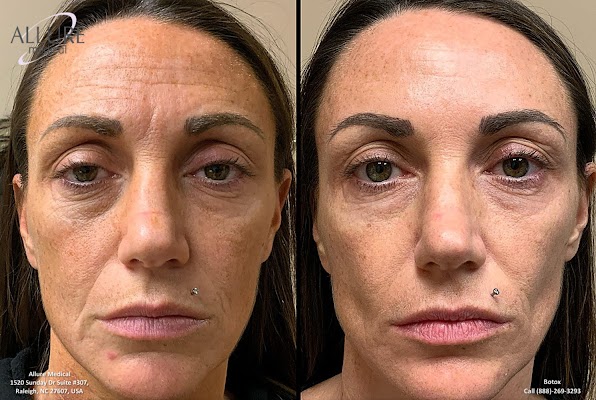
True complications are rare when botox clinical best practices and injection safety are respected. The most feared cosmetic issue is ptosis, a drooping eyelid from diffusion into the levator. Prevention rests on anatomy based treatment and strict avoidance of rubbing or pressure early on. If it happens, it is temporary. Prescription eyedrops can help lift the lid while the effect fades.
Headaches, flu-like feelings, or a tight sensation usually resolve within days. If you see signs of infection, like spreading redness, warmth, or fever, contact the clinic immediately. Botox infection prevention starts in the clinic with sterile technique, but any injection can introduce risk. This is why botox treatment hygiene and post visit instructions are not optional.
A short pre and post checklist you can actually use
- In the week before: if approved by your doctor, pause non-essential blood-thinning supplements, avoid alcohol the night before, hydrate, and skip harsh exfoliants 24 hours prior. On the day: arrive with clean skin, avoid tight hats, review the facial mapping and unit plan with your injector, and commit to no rubbing afterward. In the first 6 hours: stay upright, keep hands off, avoid makeup if possible, no hot environments. In the first 24 hours: skip strenuous exercise, saunas, and heavy alcohol; gentle walking is fine. At two weeks: assess movement in natural routines, note any asymmetry, and schedule a micro-adjustment if needed.
When Botox is not the whole answer
Some lines do not surrender to neuromodulators alone. If you have deep static lines from years of sun or repeated folding, consider skin quality treatments in tandem. A preventative aging strategy that combines sun protection, retinoids if tolerated, and periodic resurfacing can lengthen the time between sessions by improving the canvas. If volume loss is driving shadows, no amount of Botox will fill that hollow. Good care matches tool to problem.
The quiet role of consistency
There is an old story in aesthetic practice: the patients who look the most refreshed over ten years are not the ones who do the most, they are the ones who do the right things at the right time. For Botox, that means consistent, personalized treatment planning, attention to small lifestyle choices around the appointment, and respect for your anatomy’s feedback. It means trusting a professional who values botox injector expertise importance and botox quality standards more than fast turnover.
When you prepare thoughtfully, choose an injector who explains their map, and follow simple aftercare, you stack the odds in your favor. Your results last longer, your expressions stay yours, and you sidestep the avoidable detours. Botox is a precise tool. Your habits before and after treatment are the handle that steers it.