Can Botox really soften smile lines without flattening your expression? Yes, but only in some very specific scenarios, and it often works best when paired with other treatments rather than used alone.
I’ve sat with patients who loved the smoothness they got in the forehead and crow’s feet, then felt let down when their smile creases stayed put. The mismatch isn’t your imagination. Botox is a muscle relaxer, not a filler or a skin tightener, and that single fact explains most of its strengths and its limits around the mouth, nose, and lower face. Let’s map precisely where Botox shines for smile-related concerns, where it disappoints, and how to choose the right strategy if your goal is to keep your grin, not erase your personality.
What Botox Can and Cannot Do for Smile Lines
Smile lines usually refers to two areas: the fine radiating lines at the outer corners of the eyes (true crow’s feet) and the parentheses-like creases that run from the nose to the mouth, called nasolabial lines. Botox is excellent for the first, often underwhelming for the second.
Around the eyes, the orbicularis oculi muscle scrunches during smiling. A conservative sprinkling of Botox tamps down that contraction, softening the etched lines at rest over several weeks. Patients often ask about the “Botox hydration effect” or “Botox for glow.” While toxin does not actually hydrate the dermis, relaxed muscle movement reduces repetitive folding, which can make the skin look more even and catch light better. Microdosing techniques, sometimes called Botox sprinkling or feathering, can fine-tune this by distributing low units across a wider area to keep animation while trimming harsh crinkles.
Nasolabial lines are different. They are primarily a volume and ligament story, not a muscle overactivity problem. As cheek fat pads descend with age and the facial retaining ligaments stay put, skin and soft tissue drape into the folds. Botox cannot lift tissue or replace volume. So, if you inject the muscles around the mouth in an attempt to erase these creases, you risk dulled animation and chewing awkwardness without meaningful improvement in the fold. That’s the core of botox limitations in the smile line region.
A better approach: treat the cause. That usually means lifting or restoring structure with fillers, devices, or surgery, and using Botox only to calm overactive contributing muscles that pull the corners down or scrunch the nose.
Upper Face vs Lower Face: Why Results Differ
The upper face is largely driven by strong, thin muscles that directly create lines. This is why Botox is the most common treatment for the forehead and crow’s feet and why smooth forehead treatment with wrinkle relaxer injections can look predictably good. In contrast, the mid and lower face lines are created by a mix of volume loss, skin laxity, and direction of muscle pull. So, the same units that erase a frown line won’t erase marionette lines.
Take the glabella and forehead: muscle relaxer injections reduce dynamic lines from frowning or brow-raising. With careful dosing and placement, the effect is crisp and lasts 3 to 4 months on average. For smile-related issues, the translation isn’t straightforward. The zygomatic, levator, and depressor muscle families create facial animation that shapes your smile. Blunting them too much risks a crooked smile or that telltale “overdone botox” look. Botox for facial balancing works here only if the injector thinks like a choreographer, not a painter. It is not only about how much toxin, it’s about how the muscles play together.
Targeted Uses Around the Smile That Do Work
When I talk about “Botox smile correction,” I’m not promising to wipe away all creases in one sitting. I’m aiming to rebalance specific pulls so the face rests more harmoniously and moves with less strain. Here are areas where Botox can be a meaningful help, especially when part of a staged plan:
- Subtle crow’s feet softening: Often 4 to 12 units per side, split into two to four points. Microdosing keeps the side-eye squint for expression but reduces papery radiating lines. This is where terms like botox sprinkling or the sprinkle technique fit. Downturned lip corners: Tiny doses into the depressor anguli oris can create a delicate botox lip corner lift, softening a permanent frown. The dose is small because this muscle shares duties with neighboring movers, and too much risks articulation changes. Gummy smile: When the upper lip lifts too far, microdoses into the levator labii superioris alaeque nasi can reduce excessive elevation. The result is not a full “filler lip” but a gentler reveal of the gums, often 2 to 4 units per side. Nasal “bunny lines”: Small injections into the transverse nasalis can prevent the diagonal creases that appear during smiling or laughing. Facial asymmetry: Botox for facial asymmetry can be powerful if one side of the smile pulls harder. Balancing with fractional dosing can even the arc without numbing the smile.
These are precise, millimeter-sensitive injections. They are also where most botox mistakes happen when an inexperienced injector over-treats a small muscle and creates a crooked smile. A staged botox approach, sometimes called a two step botox or botox trial, is wise here: dose conservatively, review at the botox follow up, and add a touch at the botox touch-up appointment rather than risk a big swing on day one.
Where Botox Falls Short for Smile Lines
If your primary concern is the deep nasolabial fold or marionette lines, Botox alone is the wrong tool. These folds are structural. They respond to lift, volume, and skin quality improvement, not just muscle relaxation. Botox for nasolabial lines sounds attractive online, but it has limited utility and is not a first-line approach.
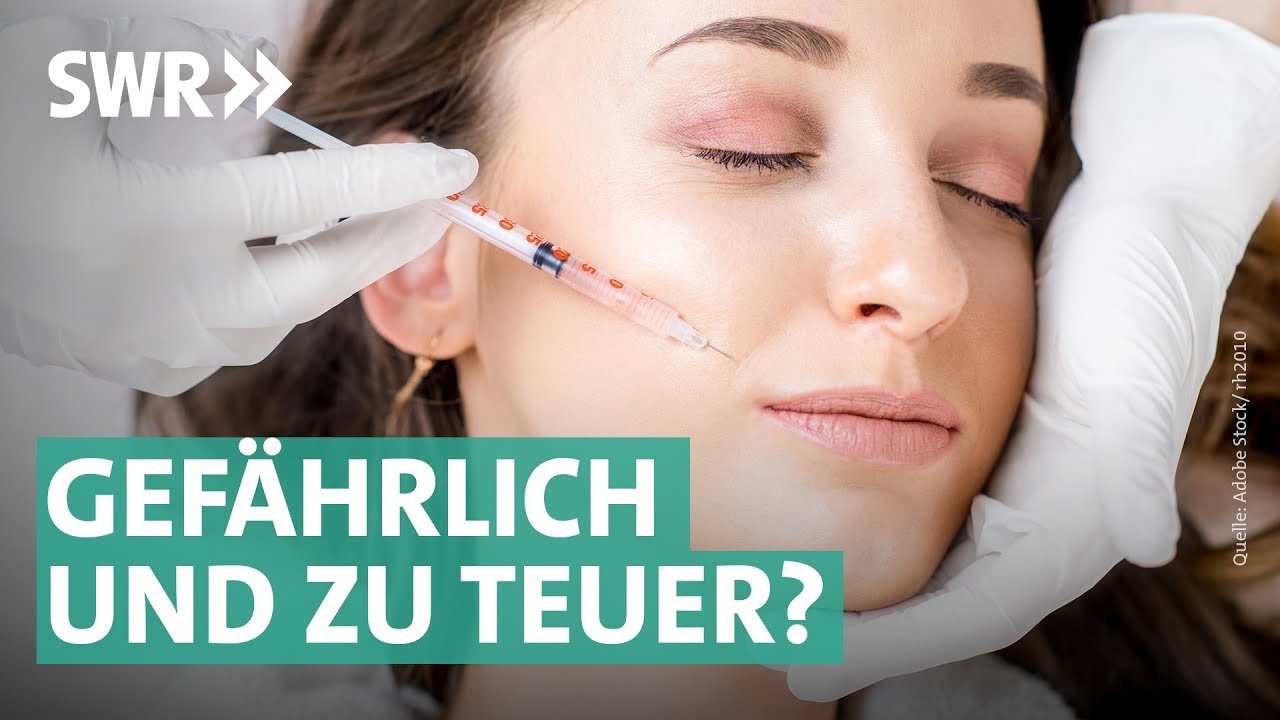
Similarly, Botox for jowls is not a lift. You can relax platysma bands along the jaw with a technique sometimes called Nefertiti-style contouring, which may sharpen the jawline a little in select patients. But if you have true jowl formation due to fat descent and laxity, botox vs facelift is not a real contest. Surgery moves and secures tissue, toxin does not. Botox vs thread lift is also an imperfect comparison, as threads reposition soft tissue temporarily while toxin changes muscle activity. They serve different purposes. When patients understand this, their expectations fall into line and satisfaction rises.
Another misconception: Botox for lower eyelids or botox for puffy eyes. Toxin can soften a strong squint or minor crepiness under the eye with careful microdosing. It cannot deflate true fat pads, fix festoons, or correct fluid puffiness, and it can worsen under eye looseness if the orbicularis is relaxing too much, because that muscle provides a hammock effect. Botox for sagging eyelids is also a miscue. Brow ptosis or redundant upper lid skin needs brow repositioning, skin excision, or energy-based tightening, not toxin alone.
Myths That Confuse Smile Line Decisions
Some botox misconceptions persist because edited social media clips compress multiple treatments into a single “after.” Let’s pull out the uncommon myths that matter when you are targeting smile lines.
Botox tightens skin and reduces pores. Toxin reduces muscle pull on the skin. That can make skin look smoother, but it is not a collagen inducer. Any botox skin tightening effect or botox pore reduction you see is indirect and modest. For pores or oily skin, neuromodulators can be microinjected superficially in a technique akin to skin Botox, which may reduce sebum in localized areas, but results vary and are temporary. For true structural skin quality, consider energy devices or collagen-stimulating treatments.
Botox can fix acne. Not really. It may reduce oil production slightly in some regions, botox NC which can help with shine and minor breakouts, but using botox for acne is not standard of care. Acne requires a separate plan.
Botox can dissolve if you do not like it. There is no enzyme to reverse toxin the way hyaluronidase reverses hyaluronic acid filler. This matters. If you get botox too strong or botox uneven, you ride it out while it wears off slowly. That is why staged dosing and a botox review appointment matter. Small corrections are possible with additional placement, but there is no true botox dissolve or quick reset.
Botox can contour the entire face like filler. Botox contouring is about relaxing pullers and allowing elevators to show, not adding shape. It creates the impression of contour in the upper face and sometimes along the jaw angle if masseters are treated, but it does not add fullness. For forehead shape issues, botox vs filler for forehead is a real fork: toxin smooths movement lines, filler changes contour and replaces volume.

Planning a Smile-Safe Botox Session
I treat smile work conservatively, then stack improvements across sessions. The first visit is about pattern recognition. We watch your face talk: where do lines form first when you grin, where do corners dip at rest, which side overpowers? I take a quick set of animation photos to mark pre-treatment baselines. If you are trying botox for the first time or have botox anxiety, we map a minimal plan and agree on a botox waiting period before any add-on dosing.
Patients often ask, does botox hurt? For most, it feels like a few seconds of pinches. The sensation is more pressure and sting than deep pain. For needle fear, I use a combination of distraction, vibrating devices, and brief ice touches. Numbing cream helps in the forehead, less so around the eyes or mouth where the cream can make placement less precise. A cold pack pressed lightly for 10 seconds dulls the skin well enough for most.
Bruising can happen, particularly around the crow’s feet where vessels hide. Simple botox bruising tips help: no heavy workouts or sauna that day, avoid blood thinners if your primary clinician agrees, and don’t massage the area. Minimal swelling is typical, often tiny bee stings that settle within an hour. For botox swelling tips, I recommend a cool compress for 5 minutes on, 10 minutes off, and sleeping with your head slightly elevated the first night.
When Results Appear and How They Evolve
Botox does not switch on instantly. You will notice changes in stages: botox 24 hours shows little, botox 48 hours may hint at a lighter squint, botox 72 hours is where movement begins to feel “quieter.” By botox week 1, most of the effect is visible, and botox week 2 is the full results time. I schedule a botox follow up or botox evaluation around day 10 to 14, especially when we are working near the smile lines, to catch any asymmetry early.
Occasionally patients report botox wearing off slowly on one side before the other, leaving a slight imbalance. That is normal variation in muscle size and metabolism. A micro touch-up with 1 to 2 units can steady the look, as long as we stay conservative.
Matching Treatment to the Problem: Botox vs Other Options
Around the smile, pairing is more effective than pushing one tool too far. Think of these combinations as recipes rather than replacements.

- Botox plus filler for nasolabial support: Filler high in the cheek, not the fold itself, often reduces the depth of nasolabial lines by re-lifting the curtain rather than stuffing the crease. Botox adds value if there are bunny lines or downturned corners from overactive depressors. Botox plus energy tightening for early jowls: Mild laxity responds to radiofrequency microneedling or ultrasound. Toxin to the platysma bands can help define the jaw angle, but it will not remove a jowl by itself. Botox vs thread lift: If you want a short-term repositioning of mild laxity without adding volume, a thread lift might be considered, understanding the trade-offs of temporary results and potential irregularities. Botox assists by reducing downward pullers to prolong the effect. Botox vs facelift: When sagging and deep folds dominate, a facelift or mini-lift repositions the foundation. Botox becomes the polish for expression lines afterward, not the main act.
A note on the forehead: People often ask about botox vs filler for forehead when they want a smoother, rounder contour. Use toxin for lines from muscle action. Use filler only for volume or contour in experienced hands, because the forehead carries vascular risk and overfilling can look heavy.
Safety, Complications, and Fixes
Most complications in smile-related areas come from overdosing or misplacement. A heavy hand in the depressor muscles near the mouth can cause a lopsided smile or trouble with “B” and “P” sounds. Treating too low in the crow’s feet can affect the zygomatic muscles and flatten the smile arc. All of these fall into botox mistakes that are preventable with good mapping and staged dosing.
If botox goes wrong near the smile, we rely on botox repair by time and micro-adjustments. You cannot dissolve it, but you can sometimes balance the other side or subtly weaken antagonists to restore symmetry. A botox wait-and-see period of 2 to 3 weeks before any fix is prudent, as early changes can be misleading. Warm compresses or facial exercises will not speed the fade meaningfully. Patience and small tweaks win.
There is also a group of patients who experience “frozen botox” from high dosing in the upper face, then assume this rigidity will also erase lower face folds. The opposite is true: the lower face suffers more from heavy dosing. If you have had botox too strong above, ask for lighter, more distributed dosing below. On the other end, botox too weak can leave you feeling unchanged. Both scenarios are solvable with a botox adjustment during your review appointment.
Technique Nuances That Protect Your Smile
Tiny choices matter with smile-focused toxin. I favor a low-unit, layered approach, sometimes called botox layering. Spread small amounts over a broader field rather than dumping units into a single point. This respects the interconnected pull of smile muscles and reduces the chance of an unnatural dip or “chipmunk” effect. In the crow’s feet, I place microdroplets just superficial to the muscle, fanning slightly to catch the fibers that radiate upward and downward, then reassess at two weeks.
For first-timers or those with botox fear, a staged plan turns the experience into data. Start with half the estimated dose in high-risk zones, then add at the botox touch-up appointment if needed. Call it a botox trial. You will learn how your smile responds to small changes, and your injector learns your muscle patterns before turning any single dial too far.
Patients ask about numbing vs ice. For delicate perioral work, I skip topical creams, which can distort landmarks. I use an ice pack for 5 to 10 seconds per point. The immediate vasoconstriction also reduces the chance of bruising. I avoid alcohol prep right under the eye because it stings excessively, preferring chlorhexidine wipes away from the lash line and sterile saline near sensitive margins.
Social Media vs Real Life
Botox trending videos show instant lifts, poreless skin, and dramatic smile transformations. Remember the timelines. When botox kicks in takes days, not minutes. Many “after” clips include filler, energy devices, and filters. Distinguish botox facts from hype by asking what muscles were treated and what other procedures were done. If a provider claims botox for skin health or a hydration effect alone delivered a full lower face reversal, that is a red flag.
On the flip side, the viral fear of a “frozen face” ignores the nuance of modern dosing. Low-dose, well-placed toxin preserves expression. You can sing, chew, and smile normally with considered treatment. Overdone results come from chasing etched lines with too much toxin in the wrong planes.
A Practical Pathway for Smile-Focused Patients
Most people do best with a sequence rather than a single-session overhaul. I use a two-visit rhythm for anyone working near the smile.
- Visit one: map animation, treat crow’s feet conservatively, consider 1 to 2 units per side for bunny lines, and a whisper dose to the depressors if corners slump. No work directly into nasolabial folds with toxin. If volume loss is obvious, book a separate filler session rather than mix everything at once. Visit two, day 10 to 14: evaluate symmetry, smile arc, and any residual scrunching. Add micro-units if needed. If structural folds remain the main complaint, plan filler or device-based tightening.
This cadence reduces botox anxiety and avoids surprises. It also fits how toxin behaves: the first wave shows you which muscles are dominant, the second wave fine-tunes.
Realistic Expectations and Longevity
For crow’s feet and small perioral adjustments, expect 3 to 4 months of effect, sometimes a bit shorter in high-movement zones. People who talk for a living, athletes, and fast metabolizers may notice the return of motion closer to 10 weeks. Over time, repeated treatment can soften etched lines at rest because the skin folds less each day. Think of it as decreasing daily wear on creased paper.
For the lower face, aim for a natural, kinder resting expression rather than erasing every crease. Your smile is a signature. The best result is when friends say you look rested, not “different.”
When to Consider Alternatives First
If your main concerns are heavy folds, jowls, or eyelid hooding, anchor your plan with structural solutions. Facelift and mini-lift address jowls and deep folds. Blepharoplasty addresses sagging eyelids. Filler restores midface support that indirectly softens nasolabial lines and marionettes. Energy devices can tighten moderate laxity. After those, Botox becomes the finishing brush for remaining dynamic lines and overzealous pullers.
Recognize a simple rule: use toxin for motion lines, volume for hollows, and lift for sag. Mix thoughtfully, and you will look like yourself on a good day, every day.
Final Thoughts from the Chair
I think of Botox as the quietest instrument in the orchestra. It will not carry the melody of a full smile-line makeover, but it tunes the sections that squeak and pull you off key. Use it to soften the crinkle that overplays at the eye corner, to stop the corners of the mouth from sinking when you are neutral, to tidy the bunny lines that appear when you laugh. Do not ask it to fill creases or lift cheeks. That is not what Botox is built for.
Set a plan, start conservative, and give yourself a review at two weeks. If you are new or nervous, try staged botox. If you have been chasing smile folds with toxin alone, consider shifting to structural support. And if a result goes sideways, remember there is almost always a botox fix by adjustment and time.
In capable hands, your smile stays yours, simply less burdened by lines that shout louder than your expression.